


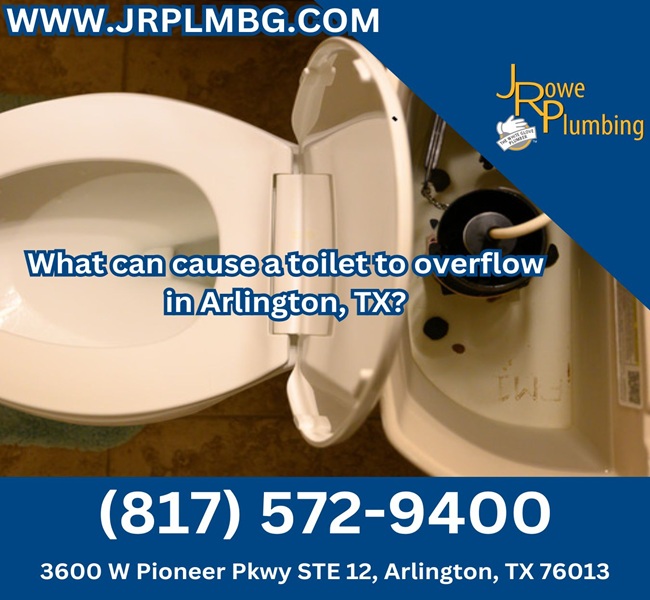
A toilet overflows when water cannot drain fast enough or when the tank fills without shutting off, and several different problems can trigger either condition. Whether you are watching water creep toward your bathroom floor right now or trying to understand why it happened last week, the cause matters as much as the cleanup. Toilet overflows range from a simple clog a homeowner can clear in minutes to a sewer line failure that demands immediate attention from a plumber. Knowing how to tell the difference protects your home, your time, and your plumbing system from preventable damage.
Why a Toilet Overflow Is More Than Just a Mess
The visible problem is water on the floor. The invisible problem is what put it there. A single overflow event can saturate subfloor material, seep into wall cavities, and introduce bacteria from waste water into areas that are difficult to dry thoroughly. In bathrooms above a finished lower level, the consequences move quickly from inconvenient to structurally damaging.
For homeowners, the temptation is to mop up and move on. But if the underlying cause is not identified, the next overflow is not a question of whether, it is a question of when. Taking a few minutes to understand what went wrong is always worth the effort.
The Most Common Causes of Toilet Overflows
A Blocked or Clogged Drain Line
This is the most frequent cause by a wide margin. When the drain line is fully or partially obstructed, water and waste have nowhere to go. A flush introduces more volume into a system that is already backed up, and overflow follows. The obstruction is usually in the toilet trap or the drain line immediately downstream from it. Excess toilet paper, wipes labeled as flushable (they are not), and hygiene products are the most common culprits. A standard plunger resolves most simple clogs. If it does not, professional Drain Cleaning is the appropriate next step for blockages that sit deeper in the line.
A Malfunctioning Float or Fill Valve
Inside every toilet tank, a float rises with the water level and signals the fill valve to shut off when the tank is full. When the float is set too high, is waterlogged, or the fill valve itself fails, water keeps entering the tank past the point it should stop. It spills over the overflow tube, continuously feeds the bowl, and can eventually cause the bowl to overflow if the drain cannot keep pace. This is a tank problem, not a drain problem, and the two require very different responses.
A Blocked Plumbing Vent Stack
Plumbing systems breathe. A vertical vent pipe runs from your drain lines up through the roof, allowing air into the system so waste water can flow freely. When that vent is blocked by debris, a bird nest, or compacted material, the drains lose the air pressure they need to function properly. Slow draining, gurgling sounds after a flush, and periodic overflows without an obvious clog are common signs of a vent obstruction. This is not a repair most homeowners should attempt on their own. Accessing a roof vent safely and clearing the blockage properly requires the right tools and experience.
A Sewer Line Backup
When multiple fixtures in the home are slow or backing up at the same time, a single toilet clog is rarely the explanation. A sewer line backup means the main line carrying waste away from the entire home is compromised. Tree root intrusion, pipe collapse, grease accumulation, and soil shifting are among the most common causes. If flushing the toilet causes water to appear in a tub or sink drain, that pattern points directly to the main sewer line. This is a situation that may require professional Sewer Line Repair and should not be delayed.
Foreign Objects and Excess Waste
Toilets are designed to handle human waste and toilet paper. Anything else creates risk. Children's toys, cotton products, paper towels, wipes, dental floss, and even excessive amounts of toilet paper in a single flush can lodge in the trap or pipe and create an obstruction. Homes with young children tend to see this cause more frequently. In most cases the object is accessible with a plunger or a toilet auger, but if the object has moved further into the line, professional retrieval may be necessary to avoid pushing the obstruction deeper.
Local Conditions That Put Arlington Toilets at Greater Risk
Arlington sits on one of the most expansive clay soil formations in North Texas. That clay absorbs moisture and swells, then contracts sharply during dry periods. That cycle of movement puts stress on the underground pipes that carry waste away from your home. Older sewer lines, especially those installed before 1990 in cast iron or clay tile, were not engineered for decades of that kind of ground movement. Hairline cracks, joint separations, and partial collapses are not rare in this housing market. They are predictable consequences of the local soil environment.
Hard water is a second compounding factor. Arlington water supply registers between 250 and 350 parts per million in mineral content, which is well above the threshold considered hard. That mineral load leaves deposits inside pipes over time. In older lines with rougher interior surfaces from years of use, buildup accumulates faster. A pipe that was once four inches in diameter can develop a meaningfully narrowed passage over the years, reducing flow capacity and making clogs far more likely.
Freeze and thaw cycles in North Texas are infrequent but impactful precisely because they are not expected. Pipes in homes that are not insulated for hard freezes can crack. Even minor fractures in a sewer line allow soil intrusion and tree root infiltration, which accelerate over time. For homes built before 1990, these compounding factors make proactive inspection a reasonable part of home maintenance rather than a reaction to a problem.
Cause vs. DIY or Call a Plumber
| Cause | DIY or Call a Plumber |
|---|---|
| Standard toilet clog in the trap or bowl | DIY: Use a plunger with a flange seal. If unresolved after several attempts, call a plumber. |
| Float set too high or fill valve running continuously | DIY: Adjust the float arm or replace the fill valve. Parts are inexpensive and widely available. |
| Blocked plumbing vent stack | Call a plumber: Roof access and specialized equipment are required to clear safely. |
| Sewer line backup affecting multiple fixtures | Call a plumber immediately: Camera inspection is needed to identify the cause and location. |
| Foreign object lodged beyond the trap | Call a plumber: Attempting to push the object deeper can make retrieval significantly harder. |
What to Do the Moment Your Toilet Starts Overflowing
Acting quickly in the first thirty seconds limits the damage considerably. Follow these steps in order:
- Remove the tank lid and push the flapper closed with your hand to stop more water from entering the bowl.
- Locate the shut-off valve behind or beneath the toilet and turn it clockwise until the water supply stops completely.
- Do not flush again under any circumstances. A second flush adds more water to an already backed-up system.
- Remove standing water from the floor as quickly as possible using towels or a wet vacuum to prevent subfloor saturation.
- Assess the situation. If the cause is an obvious clog, a plunger may resolve it. If you do not see a clear cause, or if other drains in the home are also slow, stop and call a plumber.
Waste water that has reached the floor carries bacteria and should be treated as a sanitation concern. Gloves and proper cleanup are not optional steps.
How to Prevent Toilet Overflows Before They Happen
Most toilet overflows are preventable with straightforward habits and periodic attention to the plumbing system.
- Flush only toilet paper and human waste. Nothing else belongs in the toilet regardless of how it is labeled on the packaging.
- Inspect the inside of the tank annually. Look for a float that sits too high, a fill valve that runs after the tank is full, or mineral buildup around the overflow tube.
- Watch for early warning signs: slow draining, occasional gurgling after a flush, or a bowl that takes longer than normal to clear. These are symptoms, not annoyances.
- In homes built before 1990, consider scheduling a sewer line inspection every few years. The pipe materials and soil conditions common to older Arlington neighborhoods make proactive assessment a sound investment in the home.
- Address any known slow drain in the home before it becomes a backup. Partial blockages do not resolve on their own.

Knowing When the Problem Is Bigger Than the Bowl
A toilet that overflows once because of a clog and resolves cleanly with a plunger is a plumbing inconvenience. A toilet that overflows repeatedly, drains slowly after clearing, or backs up alongside other fixtures in the home is describing a system-level problem. The distinction matters because the two situations require entirely different approaches.
Repeated overflows without a clear cause, sewage odors anywhere in the home, water backing up into a tub or shower when the toilet is flushed, or visible water near the base of the toilet that is not from splashing are all signals that the problem extends beyond what is visible. In those cases, professional Leak Detection and a camera inspection of the sewer line are typically the most efficient ways to get accurate information about what is actually happening underground.
Homeowners in Arlington who live in pre-1990 homes, who have mature trees near the sewer line, or who have noticed gradual changes in how drains perform throughout the house are working with a risk profile that justifies professional evaluation rather than continued trial and error at the fixture level.
Toilet overflows are almost never random events. They are the end result of a condition that has been developing, and that condition has a specific location and a specific cause. Finding both is what turns a recurring problem into a resolved one. When the cause is not obvious from the surface, J. Rowe Plumbing has been helping Arlington homeowners get to the bottom of plumbing problems since 1984. Explore our Plumbing Services or reach out through jrplmbg.com to schedule a diagnosis or ask a question about what you are seeing in your home.


