


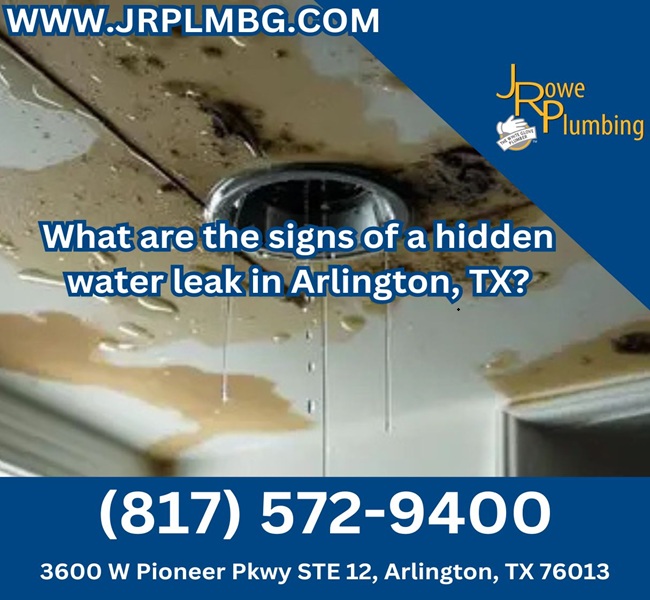
The signs of a hidden water leak in Arlington, TX often include higher water bills, musty odors, water stains, low water pressure, damp flooring, mold growth, and sounds of running water when fixtures are turned off. These warning signs can start small, but they should not be ignored. A hidden leak behind a wall, under a slab, or beneath flooring can slowly damage your home before you see obvious water. For Arlington homeowners, shifting soil, older plumbing lines, and warm Texas weather can make moisture problems more noticeable over time. Knowing what to watch for helps you act early, protect your home, and avoid letting a small plumbing issue turn into a larger repair concern with help from an experienced plumber.
Why Hidden Water Leaks Should Never Be Ignored
A hidden water leak is not always dramatic. It may not start with water rushing across the floor or a ceiling dripping into a bucket. Many leaks begin quietly behind drywall, under cabinets, beneath flooring, or below the concrete slab. Because the water is out of sight, homeowners may not realize there is a problem until damage has already started.
In Arlington, many homes deal with changing soil conditions, periods of heat, and heavy rain. These local conditions can place stress on plumbing lines, especially when pipes are older or installed beneath a slab foundation. Even a small leak can create moisture that weakens materials, encourages mold, and affects indoor comfort. In many cases, professional Leak Detection helps identify hidden moisture before major damage spreads throughout the home.
Hidden leaks should be taken seriously because water tends to spread. It can travel along framing, settle under floors, or soak into insulation. By the time stains or odors appear, the leak may have been active for longer than expected.
Unexpected Increase in Water Bills
Higher Utility Use Without a Clear Reason
One of the most common signs of a hidden leak is a sudden increase in your water bill. If your household habits have not changed, but your water usage has gone up, a leak may be the reason. A running toilet, leaking supply line, or underground pipe issue can waste a large amount of water without being easy to see.
For example, if your family is using water the same way as usual, no extra guests are staying over, and irrigation habits have not changed, the bill can be an early clue. Many homeowners first discover a hidden plumbing issue because the water bill no longer matches normal use.
Small Leaks Can Waste Water Over Time
A small leak may seem harmless, but steady water loss adds up. A slow drip inside a wall or under a sink can continue day and night. Over time, that moisture can damage wood, drywall, flooring, and nearby fixtures. This is why unusual water usage should be checked instead of dismissed.
Musty Odors or Mold Growth Inside the Home
Why Moisture Creates Mold Problems
A musty smell is often one of the first signs that moisture is trapped somewhere it should not be. Mold and mildew thrive in damp, dark areas, which makes hidden plumbing leaks a common cause. If a room smells earthy, stale, or damp even after cleaning, the odor may be coming from behind walls, under flooring, or inside cabinets.
Arlington homes can already experience humidity during warmer months. When a hidden water leak adds more moisture indoors, the smell may become stronger and more persistent. This can be especially noticeable in bathrooms, kitchens, laundry rooms, and closets near plumbing lines. Some homeowners also discover hidden moisture while scheduling Drain Cleaning services after noticing recurring moisture or slow draining fixtures.
Common Areas Where Mold Appears
Under Sinks
Cabinets below sinks can hide slow leaks from supply lines, drain pipes, or faucet connections. Look for staining, soft cabinet floors, peeling material, or a damp smell when you open the doors.
Behind Walls
Leaks inside wall cavities may create mold before visible stains appear. You may notice a musty odor in one area of the house or paint that begins to bubble.
Around Baseboards
Moisture can collect near baseboards when water travels down inside a wall. Swollen trim, discoloration, or soft spots can point to a hidden leak nearby.
Water Stains on Walls, Ceilings, or Floors
Discoloration and Bubbling Paint
Water stains are a clear warning sign that moisture is reaching visible surfaces. These stains may appear yellow, brown, gray, or darker than the surrounding area. On walls and ceilings, hidden leaks can also cause paint to bubble, peel, or separate from the surface.
If the stain keeps growing or returns after being cleaned or painted over, there may be an active leak. Covering the stain without fixing the source only hides the evidence for a short time.
Warped Flooring or Soft Drywall
Flooring can also show signs of hidden moisture. Wood or laminate may cup, lift, or feel uneven. Tile may become loose if water affects the surface below. Drywall may feel soft, spongy, or crumbly when touched. These changes are often signs that water has been present long enough to affect building materials.
| Warning Sign | What It May Mean |
|---|---|
| Higher water usage | A hidden pipe, fixture, or underground leak may be wasting water continuously. |
| Musty indoor smell | Moisture may be trapped behind walls, under cabinets, or beneath flooring. |
| Water stains | A leak may be reaching drywall, ceilings, floors, or nearby surfaces. |
| Low water pressure | Water may be escaping from a damaged pipe before reaching fixtures. |
| Damp flooring or yard areas | A slab leak, drain issue, or underground water line problem may be present. |
Low Water Pressure Throughout the House
How Pipe Leaks Affect Water Flow
Low water pressure can happen for several reasons, but it may point to a hidden leak when the change is sudden or affects multiple fixtures. If water is escaping from a pipe before it reaches your faucets or showerheads, the pressure inside the system can drop.
This can be especially concerning if one part of the home has weaker water flow than the rest. A hidden leak in a branch line may affect nearby rooms, while a larger supply line issue may affect the entire house.
When Low Pressure Signals a Plumbing Issue
If low pressure appears along with water stains, damp areas, or higher water usage, it should be checked quickly. These combined symptoms often give a clearer picture than one sign by itself.
Sounds of Running Water When Fixtures Are Off
Dripping or Hissing Noises Behind Walls
Your home should be quiet when no water is being used. If you hear dripping, hissing, or running water when faucets, showers, toilets, and appliances are off, there may be a leak hidden somewhere in the plumbing system.
These sounds may be easier to notice at night when the house is quiet. Listen near bathrooms, kitchens, laundry areas, and walls that contain plumbing lines. A faint sound can still be important, especially if it repeats or continues.
Underground Pipe Leak Warning Signs
Leaks beneath the home or in underground lines may create subtle sounds, but they can also show up as damp spots, soil movement, or foundation related changes. Because these leaks are harder to access, professional Slab Leak Detection is often needed to locate the source accurately.
Damp Spots or Wet Areas Around the Property
Wet Carpet or Flooring
Damp carpet, wet flooring, or cold spots underfoot can be signs that water is collecting beneath the surface. This may happen near bathrooms, kitchens, water heaters, or laundry rooms. In some cases, the flooring may feel damp even though no spill occurred.
A hidden leak under flooring can spread wider than expected. Water follows gravity and available paths, so the wet spot you feel may not be directly above the leak itself.
Soggy Patches in the Yard
Outside the home, unexplained soggy areas may point to an underground leak. If one section of the yard stays wet while the rest is dry, a water line or drain line may be leaking below the surface.
Slab Leak Indicators
Slab leaks can create warm spots on floors, damp flooring, foundation moisture, or the sound of running water. Since many Arlington homes are built on slab foundations, this is an important warning sign to recognize.
Underground Pipe Damage
Tree roots, soil movement, aging lines, and ground pressure can affect underground plumbing. A wet yard area, greener patch of grass, or soft soil can be a clue that water is escaping below ground.
Cracks in Walls or Foundation Areas
How Water Leaks Affect Structural Stability
Water leaks can affect more than plumbing. When moisture collects around or beneath a home, it may contribute to soil movement. In Texas, soil can expand when wet and shrink during dry conditions. This movement can place pressure on the foundation and surrounding materials.
Not every crack means there is a leak, but new cracks combined with plumbing symptoms should be taken seriously. If you notice wall cracks, sticking doors, uneven floors, and signs of moisture, professional Water Leak Repair services may help identify and correct the source before additional structural concerns develop.
Early Warning Signs Homeowners Should Watch For
Watch for cracks that appear suddenly, widen over time, or show up near plumbing areas. Also pay attention to baseboards pulling away from walls, flooring changes, or dampness near foundation edges.
Hot Spots on Floors Could Signal a Slab Leak
What Causes Slab Leak Symptoms
A warm or hot spot on the floor may happen when a hot water line beneath the slab is leaking. The heat from the water can transfer through the concrete and flooring, making one area feel warmer than the surrounding surface.
This sign is easy to overlook, especially during warm Arlington weather. However, if one area of the floor consistently feels warm without a clear reason, it may be connected to a hidden plumbing issue.
Why Professional Detection Matters
Slab leaks require careful diagnosis because the pipes are located beneath concrete. Guessing can lead to unnecessary damage. Professional plumbers use specialized tools and experience to narrow down the source and recommend the right next step.
Common Causes of Hidden Water Leaks
Corroded Pipes
Older pipes can weaken over time. Corrosion may create small openings that allow water to escape slowly. This can happen inside walls, under floors, or near fixtures.
High Water Pressure
Water pressure that is too strong can stress pipes, joints, and connections. Over time, this stress may lead to leaks, especially in aging plumbing systems.
Pipe Joint Damage
Pipe joints connect sections of plumbing. If a joint becomes loose, worn, or damaged, water can begin leaking in a hidden area.
Aging Plumbing Systems
As homes age, plumbing materials can wear down. Arlington homeowners in older properties may notice more frequent plumbing concerns due to pipe age, previous repairs, or shifting soil around the home.
When to Contact a Professional Plumber in Arlington, TX
Importance of Early Leak Detection
You should contact a professional plumber when signs of a hidden leak appear more than once, affect multiple areas, or cannot be explained by normal household activity. Early leak detection can help reduce damage and give you a clearer understanding of what is happening inside your plumbing system.
Preventing Long Term Property Damage
Moisture can damage drywall, flooring, cabinets, insulation, and foundation areas. The longer a hidden leak continues, the more areas it can affect. A professional inspection helps identify the source before the damage spreads further.
Professional Tools Used for Leak Detection
Experienced plumbers may use moisture meters, pressure testing, sound based detection, camera inspection, and other methods to locate hidden leaks. These tools help reduce guesswork and make the repair process more accurate.
Conclusion
The most common signs of a hidden water leak include unusual water usage, musty odors, mold growth, water stains, low water pressure, damp floors, soggy yard areas, running water sounds, and warm spots on flooring. For homeowners asking what are the signs of a hidden water leak in Arlington, TX, the most important answer is to pay attention to changes that do not match normal household activity.
Hidden leaks can begin quietly, but they can affect comfort, indoor air quality, plumbing performance, and the structure of the home over time. If you notice one or more warning signs, JRowe Plumbing can help evaluate the issue and guide you toward the right solution. To learn more about available Plumbing Services, homeowners can explore additional information directly through the company website.


