


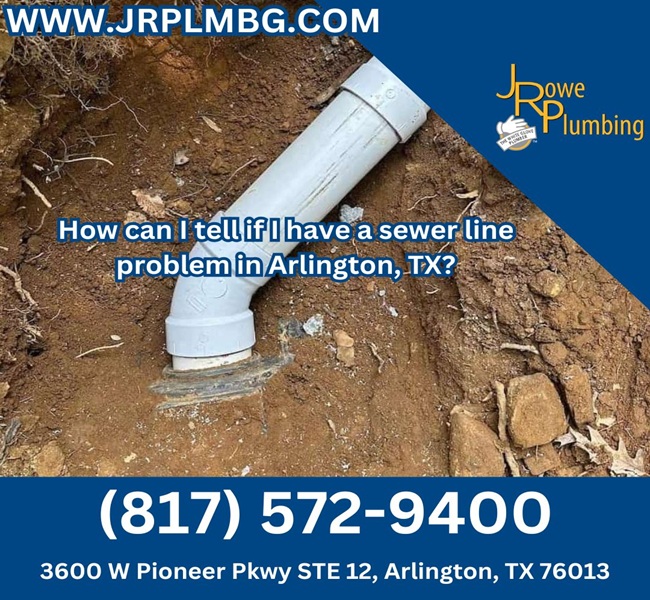
You can usually tell you have a sewer line problem by watching for slow drains throughout the house, gurgling sounds, sewage odors, and unusually green patches in your yard. These signs often show up gradually before they turn into a bigger issue, which is why catching them early matters so much. For homeowners, landlords, and property managers across Arlington, a sewer line problem is not just an inconvenience. It can lead to costly water damage, unpleasant odors, and even health hazards if left unaddressed. Understanding what to look for gives you the ability to act before a small issue turns into a major repair, and knowing when to call a plumber can make all the difference.
What Are the Early Warning Signs of a Sewer Line Problem?
Sewer line issues rarely happen overnight. In most homes, the signs build slowly, and recognizing them early can save you from a much larger headache down the road.
Slow or Gurgling Drains Throughout the House
One of the clearest indicators of a sewer line problem is when multiple drains in your home are slow at the same time. A single slow drain might just mean a local clog, but when your kitchen sink, bathroom tub, and toilets are all struggling to drain, the issue is likely further down the line. Gurgling sounds coming from drains, especially after you flush a toilet or run the washing machine, often point to trapped air caused by a blockage in the main sewer line.
Sewage Odors Inside or Outside Your Home
A properly functioning sewer system should not produce noticeable odors. If you smell sewage near drains, in your yard, or around your foundation, this is a strong signal that wastewater is not flowing where it should. These odors often become more noticeable after rainfall or when water usage increases, such as during laundry day or when guests are staying over.
Unusually Green or Lush Patches in Your Yard
Wastewater acts as a natural fertilizer, so a leaking sewer line can create patches of grass that are noticeably greener or more lush than the surrounding lawn. If you notice soggy areas, sunken spots, or unusually vibrant grass that follows a straight line across your yard, it may be tracing the path of your sewer line.
Why Are Sewer Line Problems So Common in Arlington Homes?
Arlington's soil composition, housing age, and mature tree canopy all contribute to a higher likelihood of sewer line issues compared to newer developments in other parts of Texas, which is why many older homes eventually require Sewer Line Repair to restore proper flow.
Tarrant County's Expansive Clay Soil
Much of Arlington sits on expansive clay soil that shifts as moisture levels change throughout the year. This soil movement puts pressure on underground pipes, and over time it can cause joints to separate or pipes to crack, especially in older sewer lines that were not designed to handle constant ground shifting.
Aging Pipes in Pre 1990 Homes
Many homes in established Arlington neighborhoods still have original sewer lines made from materials like cast iron or clay pipe. These materials naturally degrade with age, becoming more prone to corrosion, cracking, and collapse compared to modern PVC piping.
Tree Root Intrusion in Established Neighborhoods
Arlington's mature, tree lined streets are part of what gives many neighborhoods their character, but tree roots are also one of the leading causes of sewer line damage. Roots naturally seek out moisture, and even a tiny crack in a pipe can invite roots in, where they grow and eventually cause blockages or breaks.
Sewer Line Symptoms at a Glance
| Symptom | What It May Indicate |
|---|---|
| Multiple slow drains at once | Blockage in the main sewer line |
| Gurgling sounds from toilets or drains | Trapped air from a restricted sewer line |
| Sewage odor near drains or yard | Wastewater not draining properly underground |
| Lush or soggy patches in the lawn | Possible leak along the sewer line path |
| Sewage backing up into tubs or drains | Significant blockage or line damage |
How Can You Tell the Difference Between a Minor Clog and a Sewer Line Issue?
Not every slow drain means you have a sewer line problem. Learning to tell the difference can help you understand how urgently you need professional help.
Signs Pointing to a Simple Clog
A simple clog typically affects only one fixture. For example, if just your bathroom sink is draining slowly while every other drain in the house works fine, the issue is likely localized and can often be resolved with basic Drain Cleaning.
Signs Pointing to a Larger Sewer Line Problem
When more than one drain is affected at the same time, especially if they are on different levels of the home or unrelated to each other, this points to a problem in the main line rather than an isolated fixture. Backups that occur in the lowest drain in your home, such as a basement floor drain or ground floor toilet, are also a strong sign of a sewer line issue rather than a simple clog.
What Should You Do If You Notice These Signs?
If you are seeing any combination of these warning signs, taking the right steps early can prevent further damage to your home and property.
Steps to Take Before Calling a Plumber
Start by noting which drains are affected and when the issue occurs, such as during heavy water use or after rainfall. Avoid running large amounts of water or using chemical drain cleaners, as these can sometimes make sewer line issues worse or mask symptoms temporarily. If you notice sewage backing up, avoid using affected fixtures until the issue is addressed. If you suspect a hidden leak is contributing to the problem, professional Leak Detection can help pinpoint the exact location before more damage occurs.
When to Call a Licensed Plumber
If multiple drains are slow, you smell sewage odors, or you see signs of a leak in your yard, it is time to call a licensed plumber for a proper inspection. Sewer line issues are not something to guess about, since the wrong assumption can lead to more extensive damage over time.
Protecting Your Property from Future Sewer Line Issues
Routine drain maintenance, being mindful of what goes down your drains, and scheduling periodic inspections can go a long way toward preventing sewer line problems, especially in homes with older piping or mature trees nearby. For homes with slab foundations, Slab Leak Detection can also help catch underground leaks before they affect the sewer line or the foundation itself. For landlords and property managers, staying proactive about sewer line health also helps protect tenant satisfaction and avoid unexpected repair disruptions.
Recognizing the early signs of a sewer line problem, from slow drains and gurgling sounds to sewage odors and unusual patches in your yard, gives you the power to act before small issues become major repairs. Arlington's clay soil, aging pipe infrastructure, and established tree lined neighborhoods all make these issues more common than many homeowners realize. If you are noticing any of these warning signs in your home, JRowe Plumbing is ready to help you get to the bottom of the issue with a thorough inspection and honest guidance. Visit jrplmbg.com to learn more about how our team can help protect your home's plumbing system for years to come.


