


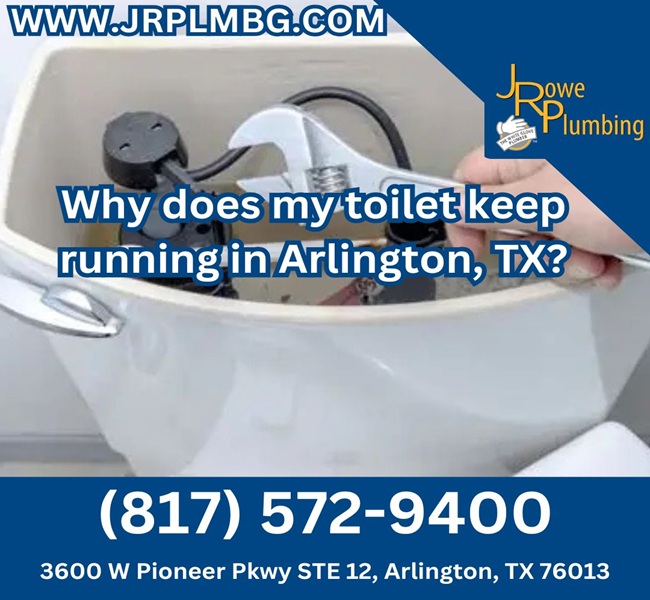
A running toilet is one of the most common plumbing issues homeowners face, and in Arlington, the problem often stems from worn internal components combined with our region’s hard water conditions and clay soil characteristics. When your toilet continues to run after flushing, water flows either into the bowl or the tank, wasting thousands of gallons annually and driving up your utility bills significantly. For homeowners, landlords, and property managers, understanding what causes a running toilet and when to call a professional can save you money and prevent water damage. This guide will walk you through the diagnosis process, show you which DIY fixes actually work, and explain the Arlington-specific factors that complicate toilet performance in our area.
The Impact of a Running Toilet in Arlington Homes
Water Waste and Your Utility Bill
A toilet that runs continuously can waste between 200 and 1,000 gallons of water daily, depending on the severity of the leak. Over the course of a month, this translates to tens of thousands of wasted gallons flowing through your plumbing system and out to the septic tank or municipal lines. For Arlington homeowners with older plumbing infrastructure, this waste compounds the stress already placed on local water systems during peak demand seasons. A single running toilet operating for 24 hours can account for the same water usage a typical family uses in several days. The financial impact appears quickly on utility bills, particularly during summer months when outdoor water usage is already elevated.
Early Warning Signs of Deeper Plumbing Issues
A running toilet frequently signals that internal components are deteriorating. When you hear water trickling into the bowl or the toilet spontaneously refilling without anyone flushing, these are not isolated problems. Instead, they indicate that other parts of your plumbing system may be experiencing pressure changes, mineral buildup, or component failure. In Arlington, where hard water and clay soil create unique plumbing challenges, a running toilet can be an early indicator that your entire system needs evaluation. Ignoring these signs often leads to more expensive repairs down the line, including potential damage to fill valves, supply lines, or even structural damage from water seepage.
| Running Toilet Symptom | Most Likely Cause |
|---|---|
| Water trickling continuously into the bowl | Flapper valve deterioration or seal failure |
| Toilet refilling without flushing every 10-15 minutes | Fill valve malfunction or mineral accumulation |
| Constant rushing water sound from tank | Supply line pressure irregularity or valve cycling |
| Water pooling around the base of toilet | Wax ring deterioration or tank crack |
| Multiple toilets in home running simultaneously | Plumbing system pressure regulation problem |
Diagnosing Your Running Toilet: Where’s the Water Going?
The first step in troubleshooting a running toilet is determining where the water is going. This simple observation will direct you toward the correct repair path and help you decide whether DIY intervention makes sense.
Water Running Into the Bowl (Flapper Valve Issue)
If you hear water trickling constantly into the bowl even when no one has flushed, the problem lies with the flapper valve. This is a rubber seal located at the bottom of the tank that controls water flow from the tank into the bowl. Over time, flappers deteriorate, crack, or become misaligned, allowing water to seep past the seal. In Arlington homes, the combination of hard water mineral deposits and varying plumbing pressure can accelerate flapper degradation. You can verify this issue by adding a few drops of food coloring to the tank. If the color appears in the bowl within 15 minutes without flushing, your flapper is leaking. This is one of the most common toilet issues and often one of the easiest to repair.
Water Running Into the Tank (Fill Valve Problem)
When you hear the toilet refilling on its own throughout the day, particularly in cycles, the issue typically originates with the fill valve. The fill valve maintains water levels in the tank and shuts off when appropriate water depth is reached. As this valve ages or accumulates mineral deposits (especially common in Arlington’s hard water environment), it fails to shut completely, causing water to continue trickling in even after the tank is full. This creates a cycling pattern where the valve opens and closes repeatedly. Fill valve problems are more complex than flapper issues and often require more detailed troubleshooting or professional service.
Continuous Cycling and Hard Water Complications in Arlington
Arlington’s hard water creates a unique challenge for toilet components. The mineral content in local water supplies gradually accumulates on fill valves, flappers, and float mechanisms, restricting movement and preventing proper sealing. When a toilet cycles continuously, filling and refilling without obvious leaks, hard water mineral buildup is frequently the underlying culprit. The calcium and magnesium deposits form a crusty layer that prevents components from functioning as designed. This issue becomes increasingly common in Arlington homes that are 10 or more years old, as mineral accumulation reaches critical levels. Unlike a simple flapper failure, hard water complications often require descaling treatments or component replacement.
DIY Fixes You Can Try First
Simple Flapper Adjustment (5-Minute Solution)
Before purchasing replacement parts, try adjusting your existing flapper. Turn off the water supply at the shut-off valve beneath your toilet, then flush to empty the tank. Inspect the flapper for visible damage, cracks, or debris caught under the seal. Often, sediment or mineral particles prevent proper sealing. Clean around the flapper seat carefully with a soft brush or cloth, removing any debris or mineral deposits. If the flapper appears intact but misaligned, adjust the chain length slightly to ensure the flapper sits flat when closed. This quick adjustment resolves roughly 30 percent of running toilet complaints. Reactivate the water supply and listen for leaks.
Fill Valve Cleaning and Adjustment
To address fill valve issues, locate the float arm and adjust it downward slightly by bending the metal arm or loosening the clip on newer models. This lowers the water level, which can sometimes resolve cycling issues. Next, clean the fill valve inlet by turning off the water supply, removing the fill valve cap, and rinsing debris under clean running water. Hard water deposits often clog the small openings in fill valves, causing malfunction. Use a soft brush to gently remove mineral buildup. Be careful with this process, as fill valves contain small internal components. If cleaning doesn’t resolve the problem, the valve likely needs replacement.
Float Mechanism Troubleshooting
The float mechanism controls when your toilet fills. If it’s stuck, corroded, or mispositioned, your toilet will run continuously. Inspect the float ball or cup for cracks or water inside. If water has entered the float, it will sink instead of float, triggering continuous fill cycles. Check that the float moves freely along its guide rod without binding. Sometimes mineral deposits cause sticking. In Arlington’s hard water conditions, applying a calcium and lime removal solution specifically formulated for plumbing components can help restore float movement. If the float is damaged or remains stuck after cleaning, replacement is necessary.
Arlington-Specific Factors Affecting Toilet Performance
Hard Water Buildup and Mineral Deposits
Arlington’s water hardness levels are among the highest in Texas, with mineral concentrations reaching 250 to 350 parts per million. This exceeds the EPA’s recommended threshold and dramatically impacts plumbing component lifespan. Hard water minerals accumulate on every surface water touches, including toilet fill valves, flappers, and supply lines. Over time, this buildup restricts water flow, prevents proper valve closure, and causes components to stiffen or jam. Homeowners in Arlington frequently experience toilet issues that simply don’t occur in areas with softer water supplies. The mineral deposits not only cause running toilets but also reduce water pressure throughout the home. For property managers overseeing multiple units, hard water is consistently the top reason for toilet maintenance calls.
Clay Soil and Plumbing System Pressure Changes
Arlington sits in an area with significant clay soil composition. Clay soil expands when wet and contracts when dry, creating ground movement that affects underground plumbing lines and pressure regulators. This movement introduces pressure fluctuations throughout your home’s plumbing system. These pressure changes stress toilet fill valves and float mechanisms, causing them to fail prematurely compared to homes in areas with stable soil conditions. When the water pressure in your line spikes suddenly, fill valves may malfunction. When pressure drops, flappers don’t seal properly. Homeowners experiencing multiple toilet issues across their home should consider having a professional evaluate their water pressure with a gauge. Improper pressure regulation often resolves multiple simultaneous plumbing problems.
Freeze Cycles and Component Failure
Arlington experiences freeze cycles during winter months that place stress on exterior plumbing components and create temperature fluctuations inside supply lines. When outdoor pipes freeze, homeowners sometimes respond by leaving faucets running to prevent line blockage. This increases water pressure suddenly and dramatically stresses internal toilet components. The freeze-thaw cycle also causes metal supply lines to expand and contract, loosening connections and affecting pressure delivery. Freeze events are frequently followed by running toilet complaints, as homeowners discover that their toilets have malfunctioned after pressure spikes. Additionally, prolonged freezes can cause fill valve seals to crack or flapper hinges to become brittle, leading to performance issues when thaw occurs.
When DIY Fixes Don’t Work: Signs You Need Professional Service
Multiple Components Failing Simultaneously
If your initial troubleshooting reveals problems with both the flapper and fill valve, or if multiple toilets in your home are running at once, the issue likely extends beyond individual component failure. This pattern suggests an underlying plumbing system issue such as improper water pressure, supply line problems, or regulator failure. Attempting multiple DIY repairs becomes counterproductive in these situations because you’re addressing symptoms rather than root causes. A professional plumber can diagnose the actual problem and implement a comprehensive solution rather than replacing component after component.
Persistent Issues After Adjustment
When you’ve cleaned, adjusted, and attempted standard repairs without resolution, the problem requires professional evaluation. Continued running after flapper replacement indicates that water pressure is too high or that the valve seat (the surface the flapper seals against) is damaged. Professional plumbers have tools to measure pressure, inspect valve seats, and determine whether replacement of major components is necessary. In Arlington, these persistent issues frequently relate to hard water damage that DIY cleaning cannot resolve.
Underlying Pressure or Supply Line Problems
If your plumbing system is experiencing pressure regulation issues or supply line damage, no amount of toilet component replacement will solve the problem. A professional can test your water pressure, identify whether your pressure regulator is functioning correctly, and inspect supply lines for leaks or deterioration. These system-level issues require specialized equipment and expertise to diagnose and correct properly.
Protect Your Home With Professional Inspection
Beyond fixing your immediate running toilet issue, a professional plumbing inspection provides valuable insight into your home’s overall system health. In Arlington, where hard water, clay soil, and freeze cycles create unique challenges, a thorough evaluation can identify potential problems before they become costly emergencies. Professional plumbers can assess mineral buildup in your system, evaluate pressure regulation, inspect supply lines, and recommend preventive measures tailored to Arlington’s specific environmental factors. For landlords and property managers, regular professional inspections reduce emergency service calls and extend component lifespan across multiple units.
Conclusion
A running toilet in your Arlington home requires attention, whether you’re dealing with a simple flapper replacement or a complex system issue. By understanding the symptoms, attempting appropriate DIY fixes, and recognizing when professional service becomes necessary, you can protect your home from water waste and costly damage. Arlington’s unique combination of hard water, clay soil, and seasonal freeze cycles means that toilet problems here often involve complications beyond what simple repairs address. When your DIY efforts don’t resolve the issue, or when you’re unsure about the underlying cause, reaching out to JRowe Plumbing connects you with professionals who understand Arlington’s specific plumbing challenges. Visit jrplmbg.com to schedule an inspection or call to discuss your running toilet issue with someone who can provide expertise tailored to your home’s needs. Taking action quickly protects your water usage, your utility bill, and your home’s plumbing system.


