


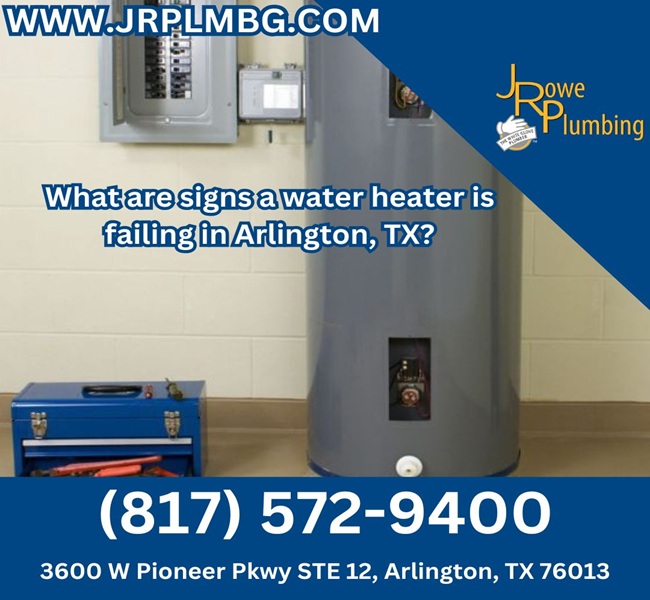
A failing water heater usually shows warning signs before it stops working completely, including inconsistent hot water, strange noises, rusty water, leaks around the tank, and reduced water pressure. If you have noticed any of these issues in your Arlington home, it is worth paying attention early. A trusted plumber can help identify whether the issue is minor or a sign of a larger problem. Water heaters are easy to overlook because they often sit quietly in a garage, utility room, or closet, but when they start breaking down, the effects can quickly spread into daily life. Hot showers become unreliable, dishes are harder to clean, and even a small leak can turn into water damage. For homeowners in Arlington, where hard water and year round demand can put added strain on plumbing equipment, understanding the signs of water heater failure can help you act before the problem becomes more disruptive.
Why It’s Important to Catch Water Heater Problems Early in Arlington, TX
Impact of Hard Water in Arlington Homes
Many homes in North Texas deal with mineral rich water, and that matters more than some homeowners realize. Over time, minerals such as calcium and magnesium can settle inside a water heater tank. Think of it like layers of grit collecting at the bottom of a coffee pot. At first, the buildup seems minor, but eventually it affects how efficiently the unit heats water and how much stress is placed on internal parts.
In Arlington homes, this kind of buildup can shorten the working life of a traditional tank water heater. Sediment may cause the burner or heating element to work harder than necessary, and that extra strain often leads to performance issues that homeowners first notice as weak hot water or odd sounds.
How Texas Climate Affects Water Heater Lifespan
Texas weather may not freeze pipes as often as colder regions, but Arlington homes still place heavy demand on water heaters throughout the year. Busy households often rely on their system every day for showers, laundry, dishwashing, and general cleaning. During colder snaps in winter, the unit has to work harder to deliver the same hot water temperature. During long hot summers, plumbing systems still experience wear from constant use, especially in larger households.
That steady demand means a water heater in Arlington may reveal wear through subtle symptoms before a total breakdown happens. Homeowners who catch those symptoms early often have more Water Heater Repair and replacement options available.
Risks of Ignoring Early Warning Signs
Ignoring the early signs of a failing water heater can lead to larger plumbing issues. A rumbling tank today can become a leaking tank tomorrow. Water discoloration can point to corrosion that may eventually affect water quality or indicate the tank is deteriorating inside. Small leaks can damage flooring, walls, or nearby stored belongings if left alone.
There is also the inconvenience factor. A water heater rarely chooses a convenient time to fail. It often happens when a household needs it most, such as during a busy work week, before school, or when guests are visiting.
Common Signs Your Water Heater Is Failing
Inconsistent or No Hot Water
One of the most obvious warning signs is unreliable hot water. If your shower starts warm and turns lukewarm too quickly, or if hot water seems to disappear faster than it used to, the system may be struggling.
Sudden Temperature Fluctuations
Temperature swings are often a sign that the heating elements, burner, thermostat, or sediment levels inside the tank are interfering with normal operation. Homeowners sometimes describe this as a water heater that cannot make up its mind. One minute the water is hot, and the next it is barely warm.
Running Out of Hot Water Quickly
If your family has not changed its routine but the hot water runs out sooner, the tank may have less usable space because sediment has taken over part of the bottom. In practical terms, your water heater may still be the same size on paper, but it is no longer functioning like it.
Strange Noises Coming From the Tank
Water heaters are not completely silent, but loud popping, banging, or rumbling noises are not normal. These sounds often come from sediment that has hardened at the bottom of the tank.
Popping or Rumbling Sounds Explained
As water heats beneath that sediment layer, steam bubbles push through the buildup and create those unusual sounds. It is similar to boiling water beneath a lid that does not quite fit. The more sediment present, the harder the system has to work, and the more noise it may make.
Sediment Buildup and Its Effects
Beyond the noise itself, sediment buildup reduces heating efficiency and puts extra strain on the unit. That means the problem is not only annoying to hear, but also a signal that the water heater may be wearing out faster than expected.
| Warning Sign | What It May Mean |
|---|---|
|
Possible sediment buildup or reduced heating performance inside the tank. |
|
Mineral deposits may have hardened at the bottom of the unit. |
|
Internal corrosion or deterioration may be affecting the tank or connected parts. |
|
A leak may be developing from valves, fittings, or the tank itself. |
|
Mineral buildup may be restricting water flow through the system. |
Discolored or Rusty Water
If hot water from the tap looks rusty, cloudy, or discolored, the water heater may be deteriorating internally. This is especially concerning when the discoloration appears only on the hot side and not the cold side.
Signs of Internal Tank Corrosion
Corrosion inside the tank can begin gradually. Homeowners may first notice a slight tint in the water, then more obvious discoloration over time. In some cases, this points to a worn anode rod. In others, it may suggest the tank itself is beginning to rust.
When Rust Indicates Replacement Is Needed
If the tank lining has started to fail, Water Heater Replacement often becomes the more practical long term solution. Once corrosion takes hold inside the main tank body, the condition usually does not improve on its own.
Water Leaks Around the Unit
Water around the base of a heater should never be ignored. Even a small amount of moisture can be a clue that something is wrong.
Small Leaks vs. Major Tank Failure
Some leaks come from loose fittings, pressure relief valves, or nearby plumbing connections. Those may be repairable if addressed quickly. However, when the tank itself starts leaking, that usually points to internal failure.
Causes of Cracks and Pressure Issues
As metal expands and contracts during repeated heating cycles, an aging tank can weaken. Pressure issues inside the system can also add stress. Once a tank develops cracks, the risk of a larger leak increases significantly.
Reduced Water Pressure
Homeowners sometimes assume low hot water pressure is only a faucet issue, but a struggling water heater can also play a role.
Mineral Buildup in Pipes and Tank
Hard water minerals can build up not just in the tank, but also in connected hot water lines. This narrows the path water has to travel through and may lead to weaker flow at sinks, tubs, or showers.
How Sediment Restricts Flow
As sediment accumulates, the system can become less efficient overall. If reduced pressure appears along with other symptoms such as noise or temperature inconsistency, it is often part of the same larger issue.
Warning Signs Specific to Aging Water Heaters
Unit Is Over 8 to 12 Years Old
Age alone does not automatically mean failure, but it does raise the likelihood. Many tank water heaters begin showing more frequent issues somewhere around this stage, especially if maintenance has been minimal. Homeowners in Arlington who are unsure of their unit’s age can usually find it on the manufacturer label.
Frequent Repairs Are Needed
If you have already had the thermostat adjusted, a valve replaced, or heating performance checked more than once recently, it may be a sign the system is nearing the end of its reliable lifespan. A water heater that needs repeated attention often becomes less dependable even when individual parts are repaired.
Rising Energy Bills Without Explanation
A failing water heater can lose efficiency as sediment, wear, and aging components make it work harder. While utility changes can happen for many reasons, unexplained increases combined with weaker water heater performance deserve a closer look.
How Arlington’s Water Conditions Affect Water Heaters
Hard Water and Mineral Deposits
Arlington homeowners often benefit from understanding how mineral content affects plumbing equipment. Hard water leaves deposits behind, and water heaters are one of the first appliances to feel the impact because they heat and store water day after day.
Sediment Accumulation in Tank Systems
Traditional tank systems are especially vulnerable because sediment settles at the bottom over time. That buildup creates a barrier between the heating source and the water itself, which reduces efficiency and increases wear.
Preventative Maintenance for Local Homes
Routine inspection and maintenance can help Arlington homeowners get ahead of problems. In many cases, a professional flush or inspection can reveal issues before they become emergencies. This is especially important in homes with older plumbing systems or households with high daily hot water demand.
When to Repair vs. Replace Your Water Heater
Situations Where Repair Makes Sense
If the issue is limited to a thermostat, heating element, valve, or another replaceable component, repair may still make sense, particularly when the unit is relatively young and the tank itself is in good condition.
Signs Replacement Is the Better Option
Replacement becomes the smarter move when the tank is leaking, corrosion is advanced, hot water problems keep returning, or the unit is old enough that additional breakdowns are likely. Homeowners often compare this to an aging vehicle. One repair may be reasonable, but repeated trouble is often a sign that reliability is slipping.
Cost Considerations Without Overpromising
While every situation is different, the best decision usually comes down to condition, age, safety, and long term dependability rather than looking at one symptom in isolation. A professional inspection can help clarify whether a repair is likely to hold up or whether replacement is the more practical path. In some homes, a related issue such as hidden moisture may also call for Leak Detection to confirm whether the problem extends beyond the water heater itself.
Preventing Water Heater Failure in Arlington, TX
Annual Flushing and Maintenance
Regular flushing helps remove sediment before it hardens and causes larger issues. This simple step can improve efficiency and reduce wear on the system.
Checking the Anode Rod
The anode rod helps protect the inside of the tank from corrosion. When it wears out, the tank becomes more vulnerable to rust. Having it inspected periodically can extend the life of the unit.
Installing a Water Softener
For some Arlington homes, reducing mineral content in the water may help protect water heaters and other plumbing fixtures. This can be especially beneficial in homes that have had recurring scale related issues.
When to Call a Professional Plumber in Arlington, TX
Safety Concerns With DIY Repairs
Water heaters involve gas, electricity, pressure, and hot water, so they are not ideal for trial and error fixes. Even a seemingly simple issue can have a deeper cause that is not visible from the outside.
Importance of Expert Diagnosis
A professional plumber can determine whether the problem is related to sediment, components, corrosion, venting, pressure, or the tank itself. That kind of diagnosis is important because the right solution depends on the actual source of the problem, not just the symptom you notice first. If the home uses a different system design, Tankless Water Heater Repair may require a separate evaluation.
Emergency Situations That Require Immediate Help
If you see active leaking, smell gas near the unit, hear loud unusual noises, or suddenly lose hot water altogether, it is best to seek prompt professional help. Fast action can reduce the risk of property damage and keep the issue from becoming more serious.
Final Thoughts on Identifying Water Heater Failure Early
Protecting Your Home From Water Damage
Spotting signs of a failing water heater early can help protect your home from avoidable leaks and water related damage. Small warnings often appear before major failure.
Extending the Life of Your System
Understanding what to watch for gives homeowners a better chance of addressing minor issues before they shorten the life of the system. Consistent maintenance and timely inspections can make a meaningful difference.
Planning Ahead for Replacement
If you have been wondering what signs a water heater is failing in Arlington, TX, the main things to look for are unreliable hot water, unusual tank noises, rusty water, leaks, and pressure changes. These symptoms should not be brushed aside, especially in Arlington homes where mineral buildup can take a toll over time. When the warning signs start adding up, reaching out to JRowe Plumbing can help you get a clearer picture of what is happening and what steps make sense next. Homeowners who want a dependable assessment or want to learn more about water heater concerns can explore more information through JRowe Plumbing, along with other Plumbing Services that support long term home plumbing reliability.


