


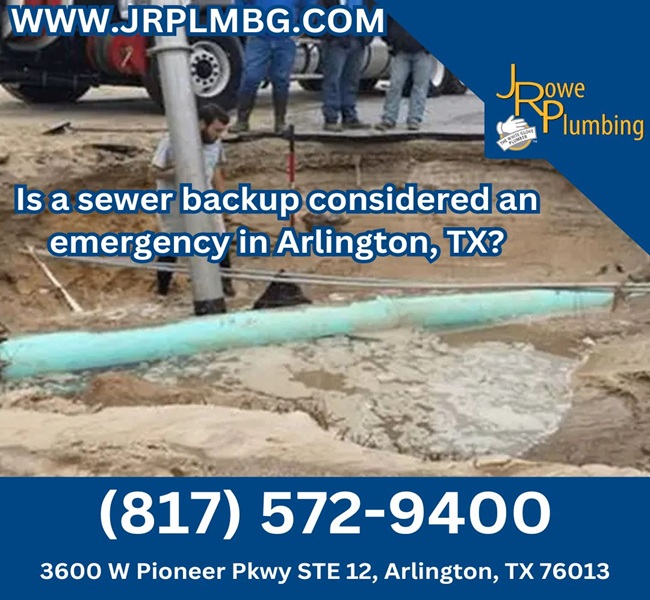
Yes, a sewer backup is absolutely considered an emergency and requires immediate professional attention. When your sewer line backs up, it creates a cascade of problems that affect your property, your family’s health, and your wallet. Unlike a slow kitchen drain or a minor plumbing inconvenience, a sewer backup demands urgent action within hours, not days. Understanding why this is true and how to respond can save you thousands of dollars in property damage and protect your household from serious health hazards. For homeowners, landlords, and property managers in Arlington, recognizing the emergency nature of a backup is the first step toward protecting what matters most.
Contacting a professional plumber at the first sign of sewage backup prevents days of escalating damage and protects your family from contamination exposure.
What Qualifies as a Sewer Backup?
A sewer backup occurs when wastewater cannot flow out of your home through the main sewer line and instead backs up into your property. This is fundamentally different from a simple clogged drain. When your kitchen sink drains slowly, you have a localized blockage. When sewage backs up into your home, you have a system-wide failure.
You might notice sewage appearing in your lowest drains first: basement floor drains, showers in lower levels, or toilets that overflow when you flush. Some people smell raw sewage in their yards or notice unusually green patches of grass over the sewer line route. These are all unmistakable signs that your sewer system is compromised.
Signs You’re Experiencing an Emergency Situation
Several warning signs indicate you have a genuine sewer backup requiring emergency response:
- Multiple drains in your home backing up simultaneously (not just one)
- Raw sewage pooling in your basement, crawlspace, or lower bathroom
- Gurgling sounds coming from drains throughout your home when water drains
- Foul odors emanating from indoor or outdoor drains
- Unusually lush vegetation or wet patches in your yard along the sewer line path
- Visible sewage or waste material in your yard or near your home’s foundation
If you observe any of these signs, you are experiencing a sewer emergency. Stop using water in your home and contact a professional immediately.
When blockages accumulate in pipes, Drain Cleaning services can often prevent backup situations from developing in the first place.
Why Sewer Backups Are True Emergencies in Arlington
A sewer backup threatens three critical areas simultaneously: your property’s structural integrity, your family’s physical health, and your financial stability. Each dimension creates genuine urgency that separates this problem from routine plumbing repairs.
The Financial Impact of Sewer Backups
The financial consequences of a sewer backup escalate rapidly. Initial cleanup of sewage from a basement alone can cost thousands of dollars before you even address the underlying cause. If the backup has contaminated soil or flooded crawlspaces, remediation expenses multiply significantly.
Beyond immediate cleanup, property damage compounds quickly. Sewage contains corrosive substances that damage concrete, wood, and insulation. Mold develops within 24 to 48 hours in water-damaged areas, requiring professional remediation that involves removing affected materials and treating the property. Insurance often does not cover sewer backups from blocked or collapsed sewer lines, meaning homeowners and property managers absorb these full costs independently.
Additionally, the longer a backup persists, the more extensive the damage becomes. What starts as a localized problem in your basement can spread to your foundation, crawlspace, and adjacent soil. Property values decline when sewer system problems exist. Potential buyers during any future sale will demand extensive inspections and price reductions based on sewer system status.
Health and Safety Risks of Sewage Exposure
Raw sewage contains hundreds of harmful pathogens including bacteria, viruses, parasites, and fungi. Exposure to these organisms causes serious illness. Young children, elderly family members, and people with compromised immune systems face heightened risk, but everyone in your home is vulnerable to contamination.
Direct contact with sewage creates the most obvious risk. Secondary exposure through contaminated surfaces, hand-to-mouth transfer, or breathing aerosolized particles also causes illness. Sewage-contaminated water can infiltrate groundwater and your home’s drinking water supply. Skin contact leads to rashes and infections. Ingestion causes gastrointestinal illness ranging from mild to severe. Respiratory exposure from vapors and aerosols causes respiratory infections and irritation.
Infants and young children exploring their environment are at particular risk. Their developing immune systems struggle against these pathogens. Similarly, elderly individuals and anyone with medical conditions affecting immune function face serious complications from sewage exposure. For landlords and property managers with tenant occupancy, you carry legal liability for tenant health and safety when sewer backups contaminate living spaces.
Professional Leak Detection technology can identify how far sewage contamination has spread through soil and groundwater following a backup event.
Time-Critical Response Windows (The 24 to 48 Hour Factor)
Every hour you delay responding to a sewer backup increases damage and health risk. Mold growth accelerates dramatically within 24 to 48 hours of water exposure. Structural damage to concrete and wood foundations compounds. Water damage to drywall, insulation, flooring, and personal property becomes irreversible beyond certain timeframes.
From a financial perspective, documenting damage quickly and initiating cleanup immediately protects insurance claims and prevents secondary damage. Contamination spreads through soil and groundwater, affecting larger areas as time passes. Professional response within the first 24 hours typically prevents widespread contamination of surrounding soil and groundwater.
This time sensitivity distinguishes sewer backups from other plumbing problems. A slow leak under your sink can wait a week for repairs. A sewer backup cannot. The narrow window between problem recognition and irreversible damage demands immediate professional intervention.
| Emergency Response Timeframe | Impact Without Professional Action |
| 0 to 24 Hours | Immediate health risk, localized sewage containment possible, mold prevention achievable |
| 24 to 48 Hours | Mold colonization begins, structural materials start absorbing contamination, secondary spread increases |
| 48 to 72 Hours | Advanced mold growth, irreversible damage to insulation and drywall, soil contamination spreads |
| Beyond 72 Hours | Complete structural compromise, extensive remediation required, maximum financial impact realized |
Arlington’s Unique Sewer Backup Risk Factors
Arlington presents specific environmental and infrastructure conditions that increase sewer backup frequency compared to other Texas regions. Understanding your local risk factors helps you recognize why your property might be vulnerable.
Clay Soil Expansion and Pipe Stress
Arlington’s native clay-heavy soil composition creates constant stress on buried sewer lines. Clay expands when wet and contracts when dry. This expansion and contraction cycle places mechanical stress on rigid pipes, gradually forcing them out of alignment or creating small cracks that expand over time. Roots exploit these cracks, seeking moisture sources within the sewer line. Once roots establish inside a pipe, they grow rapidly, creating blockages and further damaging pipe walls.
The freeze-thaw cycles during Arlington winters exacerbate this stress. When soil freezes and thaws repeatedly, pipes experience additional mechanical stress that compounds the expansion-contraction damage. Properties built within the last 5 to 10 years typically have sewer lines that have already experienced multiple expansion-contraction cycles, increasing failure probability.
Aging Infrastructure Vulnerabilities
Many older Arlington neighborhoods have sewer lines installed 40 to 60 years ago. Cast iron and clay pipes dominate these older systems. Cast iron corrodes from the inside out, losing structural integrity over decades. Clay pipes develop cracks from settling and root penetration. Neither material recovers structural strength once degradation begins.
Additionally, Arlington’s municipal sewer infrastructure experiences strain during heavy rainfall events. The city’s rapid development has created areas where sewer capacity doesn’t match drainage volume from new residential or commercial development upstream. During moderate to heavy rain, treatment plant backups can force sewage backward into residential lines, creating backups unrelated to localized blockages.
If your home was built before 1980, your sewer line is likely reaching or beyond the end of its reliable lifespan. Even if you’ve never experienced a backup, your aging sewer line presents elevated risk.
Foundational concerns from sewage exposure are significant for older properties, and Slab Leak Detection services reveal if contamination has compromised concrete foundations or affected underground utilities.
Preventing Future Sewer Backups
Prevention requires different approaches depending on your role as a homeowner, landlord, or property manager. Each situation demands specific attention to reduce backup risk.
Maintenance Practices for Homeowners, Landlords, and Property Managers
Start by knowing your sewer line location and age. Locate where your line exits your home and trace its path to the street connection. Mark this route so you avoid planting trees or shrubs whose roots will penetrate pipes as they grow. This single step prevents root-related backups, the most common cause in Arlington.
Implement drain maintenance discipline. Never pour grease, oils, or food scraps down drains. These accumulate inside pipes, combining with soap residue to form blockages. Use drain screens in showers and bathtubs to catch hair. Enzyme-based drain cleaners used monthly help prevent buildup without chemical damage. These preventive habits protect both your drains and the municipal sewer system.
Schedule professional sewer inspections every 3 to 5 years if your home was built before 1990, or every 5 to 7 years if built more recently. A professional camera inspection costs less than a single sewer backup cleanup and reveals problems before they become emergencies. Identifying root penetration, pipe cracks, or alignment issues early allows planned repairs instead of emergency interventions.
For landlords and property managers, tenant education becomes critical. Ensure lease agreements clearly specify what tenants can and cannot flush or drain. Include information about sewer backup risks and the cost consequences. Implement routine inspections quarterly or semi-annually to catch drainage issues early.
What to Do When a Sewer Backup Occurs
If you experience a sewer backup, your immediate actions determine whether you minimize damage or watch it escalate.
Immediate Action Steps
First, stop using water in your home. Do not flush toilets, run showers, do laundry, or use the dishwasher. Every drop of water you send down a drain adds to the backup volume in your home. Inform all household members to avoid using plumbing fixtures.
Second, identify the extent of the backup. Check all drains, lowest-level bathrooms, and foundation areas for sewage. Document everything with photos and notes. Open windows to increase ventilation and reduce pathogen concentration indoors.
Third, limit exposure. Keep children and pets away from affected areas. Do not allow anyone to contact contaminated materials directly. If sewage has entered living spaces, consider temporary relocation, especially if you have vulnerable household members.
Fourth, contact a professional emergency plumber immediately. Time is working against you. Every moment of delay increases structural damage, mold growth risk, and contamination spread.
Why Professional Emergency Response is Critical
Professional plumbers have diagnostic tools unavailable to homeowners. Camera equipment allows them to identify the exact blockage location and cause. Hydro-jetting equipment safely removes blockages without damaging pipes. If pipe damage is the cause, they can recommend appropriate repair methods, from localized patching to full-line replacement.
Professional Sewer Line Repair services address both immediate blockages and underlying structural damage to pipes, preventing future backups and protecting your property’s long-term integrity.
Professionals also coordinate with water damage specialists and mold remediation companies who address secondary damage and contamination. They understand local codes and permit requirements. They work with insurance companies and document issues appropriately for claims.
Most importantly, professionals know safe sewage handling procedures. They use appropriate protective equipment and contamination protocols. They leave your property safe for reoccupancy, not merely “free of standing water.”
Do not attempt to resolve a sewer backup yourself. DIY approaches risk incomplete resolution, personal contamination, or incomplete documentation that complicates insurance claims.

Conclusion
A sewer backup in Arlington is absolutely an emergency requiring immediate professional action. Financial impacts from property damage and cleanup mount rapidly. Health and safety risks to your family and tenants are serious and documented. The time-critical nature of preventing irreversible damage demands urgent response.
Your Arlington property faces specific risks from clay soil expansion, freeze-thaw cycles, and aging municipal infrastructure. Understanding these local factors helps you recognize your vulnerability and implement prevention strategies. Regular inspections, maintenance discipline, and educated awareness position you to prevent backups before they occur.
If you experience a sewer backup, understand that immediate professional response separates successful damage control from catastrophic property loss. The question is not whether to call a plumber, but how quickly you can reach one.
When a sewer emergency strikes your Arlington home or property, JRowe Plumbing provides the professional expertise and rapid response your situation demands. Visit https://www.jrplmbg.com/ to learn more about emergency services or contact them immediately when a backup occurs. Your property’s integrity and your family’s safety depend on expert intervention.


