


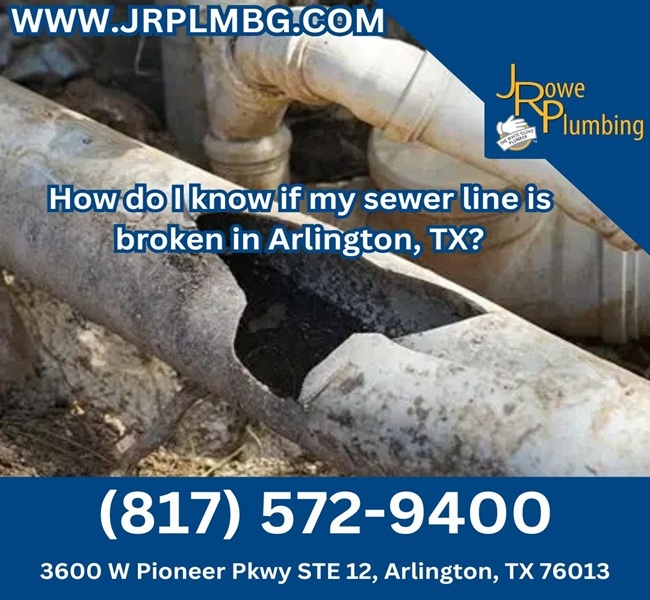
A broken sewer line typically reveals itself through a combination of slow drains, persistent sewage odors, unusual sounds from your plumbing, or wet spots forming in your yard with no clear source. If you are noticing one or more of these signs at the same time, that pattern matters. A single clogged drain is usually an isolated problem. But when multiple fixtures back up at once, or when odors and yard changes appear together, the issue is more likely originating deep in the main sewer line. For homeowners and property managers in Arlington, TX, understanding these signs early and calling a plumber promptly can be the difference between a manageable repair and a significantly larger project.
Why Arlington Homes Are Prone to Sewer Line Problems
Sewer line issues do not happen in a vacuum. In Arlington, two local conditions set the stage for problems that homeowners and landlords in other parts of the country simply do not deal with at the same rate.
Expansive Clay Soil and Tree Root Intrusion
Arlington sits on some of the most active clay soil in the Dallas-Fort Worth area. This soil expands significantly when it absorbs water during wet seasons and then contracts as it dries out. That constant movement places stress on underground pipes, causing them to shift, crack, or separate at the joints over time. Once a joint cracks even slightly, tree roots are quick to find the moisture and work their way in. Mature oak, elm, and pecan trees, which are common throughout Arlington neighborhoods, are particularly aggressive when it comes to root intrusion. What starts as a hairline crack in a pipe joint can become a completely blocked or collapsed line within a few years.
Aging Pipe Materials in Pre-1990 Homes
A large portion of Arlington's residential housing stock was built before 1990. Many of these homes were originally fitted with cast iron, orangeburg, or clay sewer pipes. All three materials have a finite service life. Cast iron corrodes from the inside out over decades. Orangeburg pipe, a pressed wood fiber product used widely in post-World War II construction, softens and collapses under soil pressure. Clay tile pipe is brittle and prone to cracking under the shifting ground conditions described above. If your home was built before 1985 and has never had a sewer line inspection or replacement, the pipe material itself may already be compromised regardless of whether you are seeing symptoms yet.
Warning Signs Your Sewer Line May Be Broken
The symptoms of a damaged sewer line can look different depending on where in the line the damage is located and how advanced the problem has become. Some signs are immediately obvious. Others develop gradually and are easy to dismiss until the situation worsens.
Multiple Slow Drains at the Same Time
A single slow drain almost always points to a localized clog, typically hair, grease, or soap buildup somewhere in that fixture's drain line. In those cases, Drain Cleaning is usually enough to restore normal flow. But when two or more fixtures drain slowly at the same time, especially fixtures that are not connected to each other, the blockage or damage is almost certainly in the main sewer line. Pay attention if your bathroom sinks, shower, and toilet all seem sluggish around the same time. That pattern is a strong indicator that something is restricting flow at the main line level.
Sewage Odors Inside or Around Your Home
Your sewer system is designed to be airtight. Drain traps and venting systems prevent sewer gases from entering the living space. When you smell sulfur or sewage inside your home without an obvious source, that odor is escaping through a crack, break, or failed joint somewhere in the line. This is not a smell that comes and goes randomly under normal conditions. If it is persistent and concentrated around floor drains, toilets, or the lowest level of your home, it warrants a prompt inspection. Sewer gas is not only unpleasant but can also be a health concern at elevated concentrations.
Wet Patches, Sinkholes, or Unusually Green Grass in the Yard
Your sewer line runs under your yard from the house to the city connection at the street. When it leaks, the surrounding soil absorbs the effluent. This creates several visible signs depending on the severity of the leak. A slow leak may simply cause a section of grass to grow noticeably greener and thicker than the surrounding lawn because the wastewater acts as a fertilizer. A more advanced break can saturate the soil to the point of creating soft, spongy areas underfoot or even a visible depression or sinkhole. In Arlington's clay soil, these changes can appear relatively quickly once a line starts leaking consistently.
Gurgling Sounds Coming from Toilets or Drains
A properly functioning drain system is nearly silent. When you hear gurgling or bubbling sounds coming from a toilet after you flush, or from a floor drain when water runs elsewhere in the house, that sound is caused by air being displaced in a line that is not draining freely. It points to either a significant blockage or a venting problem that is often associated with a damaged sewer line. Do not ignore this sound if it is consistent. It is the system communicating that airflow and water flow are not moving as they should.
| Symptom | Likely Cause |
|---|---|
| Multiple slow drains throughout the home | Main sewer line blockage or partial collapse |
| Persistent sewage odor inside or near the foundation | Cracked or separated sewer pipe allowing gas to escape |
| Wet or sunken areas in the yard with no irrigation source | Active sewer line leak saturating the surrounding soil |
| Gurgling sounds from toilets or floor drains | Air displacement caused by restricted or damaged drain line |
| Sewage backup at the lowest fixture in the home | Severe main line blockage or collapsed pipe preventing flow |
What Happens When a Broken Sewer Line Goes Unaddressed
Some homeowners and property managers delay calling a plumber because the symptoms seem manageable. A slow drain can be lived with. An occasional gurgle can be overlooked. That delay, however, tends to expand the scope of the problem significantly.
Structural and Foundation Risk in Arlington's Clay Soil
In most parts of the country, a leaking sewer line primarily creates a sanitation and yard problem. In Arlington, the stakes are higher because of the clay soil. When a sewer line leaks consistently, it adds a steady source of moisture to soil that is already prone to movement. That added moisture causes the clay to swell unevenly beneath your foundation. Over time, this uneven pressure leads to foundation shifting, which can manifest as cracks in interior walls, doors and windows that no longer close properly, or visible separation in the exterior brick. Foundation repairs in North Texas are costly and disruptive. Addressing a sewer line problem before it compounds into a foundation problem is a considerably less complicated path. If you are already seeing foundation-related symptoms alongside drainage issues, Slab Leak Detection can help rule out a concurrent water line problem beneath your foundation.
How a Licensed Plumber Confirms Sewer Line Damage
Visual symptoms give you reason to call a plumber. But a proper diagnosis requires equipment that can see inside the line and evaluate exactly what is happening and where.
Sewer Camera Inspection
A sewer camera inspection is the most direct way to confirm damage. A licensed plumber feeds a flexible cable with a high-resolution camera attached into the sewer line through a cleanout access point. The camera transmits live video of the interior of the pipe as it moves through the line. Cracks, root intrusion, bellied sections where the pipe has dropped and collects standing water, grease buildup, and collapsed segments are all visible in real time. The plumber can also use the camera to locate exactly where the damage is occurring, which is critical for planning an efficient repair rather than digging blindly.
Smoke Testing
Smoke testing is a diagnostic method used when the source of sewer odors is unclear or when the camera does not provide a complete picture of where the system is compromised. Non-toxic smoke is introduced into the sewer system and the plumber then observes where it escapes. Smoke emerging from a crack in the yard, from around a foundation penetration, or from a floor drain that should be sealed confirms a breach in the system. J. Rowe Plumbing offers smoke testing as part of its sewer line Leak Detection services, providing property owners with a clear picture of what they are dealing with before any repair work begins.
Sewer Line Repair and Replacement Options in Arlington, TX
Once the damage is confirmed and located, the repair approach depends on the extent and nature of the problem. Not every broken sewer line requires digging up the entire yard.
Spot Repairs vs. Full Line Replacement
If the camera inspection reveals damage that is isolated to one specific section of the line, a Sewer Line Repair is often the most practical solution. The plumber excavates only the affected area, removes the damaged segment, and installs new pipe material. This is a straightforward approach when the rest of the line is in acceptable condition. However, in homes built before 1985 where the entire line is made of aging cast iron or clay tile, a full replacement is often the more sound long-term decision. Repairing one section of a deteriorated line while leaving the rest in place can lead to repeated repairs over the following years as other sections reach the end of their service life.
Trenchless Sewer Line Replacement
For homeowners and property managers who want to minimize yard disruption, trenchless sewer line replacement is an option worth discussing with your plumber. J. Rowe Plumbing offers trenchless replacement using a pipe-pulling machine that installs a new line through the existing pipe path without requiring a full-length trench. This method preserves landscaping, driveways, and hardscape that would otherwise need to be removed and restored with a traditional open-cut replacement. It is not the right solution in every situation, but for many Arlington properties it provides a durable result with significantly less surface disruption.
Call a Licensed Arlington Plumber Before the Problem Gets Worse
Sewer line problems in Arlington follow a predictable pattern. They start small, they develop slowly, and then they compound quickly once the structural integrity of the pipe gives way. The warning signs described above are your best opportunity to get ahead of the problem. A single symptom may be worth monitoring. Multiple symptoms appearing together call for a sewer camera inspection without delay.
J. Rowe Plumbing has served Arlington homeowners and property managers since 1984. The company holds a Responsible Master Plumbing License and carries the experience that comes from four decades of work in North Texas soil conditions. From sewer camera inspection and smoke testing to spot repairs and full trenchless replacement, the team is equipped to diagnose and resolve sewer line problems correctly the first time.
If you are seeing any of the signs described in this post, do not wait for the situation to worsen. Reach out to J. Rowe Plumbing to schedule a sewer line inspection and get a clear answer about the condition of your system. Visit jrplmbg.com to learn more about the services available in Arlington and the surrounding DFW area.


