


If you notice unexplained water bills, damp or warm spots on floors, low water pressure, or hear running water when all fixtures are off, you may have a slab leak.
A slab leak is one of the most serious plumbing issues that can affect a home. In Arlington Texas, where many homes are built on concrete foundations, identifying a slab leak early can prevent severe damage to your property and avoid long-term structural concerns. This guide outlines causes, symptoms, diagnostic tools, and the steps to take next.
What Is a Slab Leak?
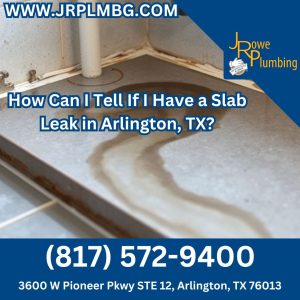
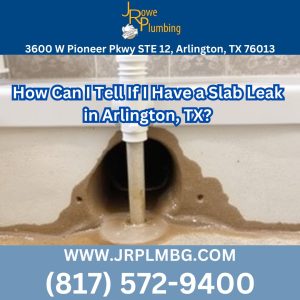
A slab leak occurs when a water line beneath the concrete foundation of your home develops a crack or hole. These leaks are typically hidden from view, making early detection crucial. Slab leaks often affect homes built with copper piping and may occur in both hot and cold water lines.
Common causes include pipe corrosion, abrasion from shifting soil, improper plumbing installation, or consistent high water pressure. Since the plumbing is embedded in concrete, even a small leak can lead to significant water damage over time.
Common Causes of Slab Leaks
1. Corrosion
Older homes with metal piping are especially prone to corrosion. Over time, water reacts with the metal, weakening the pipes.
2. Abrasion
Pipes that rub against concrete or gravel can wear down due to constant water flow and vibration.
3. Improper Installation
Faulty plumbing work, including poor soldering or incorrectly fitted joints, may fail under pressure.
4. Shifting Soil
Changes in moisture levels can cause the soil under your foundation to expand or contract, stressing your plumbing lines.
5. Water Pressure Variations
Inconsistent or high water pressure increases the strain on pipes, potentially leading to slab leaks.
Signs You May Have a Slab Leak
Early detection can save your home from extensive damage. Here are the key warning signs:
1. Unexpected Spike in Water Bills
If your water usage hasn’t changed but your bills are rising, hidden plumbing issues could be the cause.
2. Warm or Damp Spots on the Floor
A leak in a hot water line may create noticeable warm areas. Dampness can also indicate water pooling under your foundation.
3. Moldy or Musty Odors
Trapped moisture under floors often results in mildew smells and can lead to mold growth.
4. Reduced Water Pressure
Leaks reduce the overall pressure of your plumbing system. If your showers and faucets suddenly feel weaker, it may be due to a leak.
5. Running Water Sounds
Hearing water movement when everything is turned off often signals a slab leak.
6. Cracks in Walls or Flooring
Shifting or weakened foundations from long-term water exposure may result in structural cracks.
How Plumbers Detect Slab Leaks
Professional plumbers in Arlington Texas use specialized tools to diagnose slab leaks with precision:
• Electronic Leak Detection
This method uses sensitive microphones to detect vibrations from leaking water.
• Thermal Imaging
Infrared cameras identify hot water line leaks by detecting changes in floor temperature.
• Pressure Testing
Measures if pressure drops over time, indicating a leak.
• Moisture Meters
These tools measure water presence within flooring and wall materials.
These advanced techniques help locate the problem with minimal disruption to your home.
Why Slab Leaks Are a Serious Concern
Ignoring a slab leak can cause significant harm to your property and health:
- Structural damage to your foundation
- Warped or damaged flooring
- Mold growth, which poses health risks
- Persistent damp conditions
- Wasted water and environmental impact
Prompt detection and professional plumbing repair can prevent these problems from escalating.
Slab Leak Risks in Arlington Texas Homes
Homes in Arlington Texas often sit on clay-heavy soil that expands and contracts with moisture changes. This soil movement can stress plumbing lines under slab foundations, increasing the likelihood of leaks. Older neighborhoods, in particular, may have aged copper or galvanized pipes susceptible to wear.
How to Prevent Future Slab Leaks
While not all slab leaks can be avoided, you can take preventative steps to reduce your risk:
- Schedule annual plumbing inspections with licensed professionals.
- Install a pressure regulator to maintain consistent water pressure.
- Replace aging or corroded pipes proactively.
- Monitor your water bill monthly for sudden increases.
- Maintain proper drainage around your home’s perimeter.
Preventative maintenance and early intervention can greatly reduce the chances of experiencing a slab leak.
What to Do If You Suspect a Slab Leak
If you notice any of the warning signs listed above, take immediate action:
- Turn off your main water supply if water pooling is visible.
- Avoid unnecessary floor removal until a professional confirms the leak.
- Call a licensed plumbing expert with experience in slab leak detection.
- Document any damage for home repair planning.
- Schedule a full diagnostic inspection as soon as possible.
Taking swift steps can minimize the impact and help preserve your home’s structure and safety.
Final Thoughts: Get Expert Help for Slab Leaks
Slab leaks are among the most damaging and disruptive plumbing issues homeowners face. The longer a leak goes unnoticed, the more damage it can cause to your foundation, floors, and indoor air quality.
If you live in Arlington Texas and suspect a slab leak, don’t wait for the signs to worsen. Contact a trusted plumbing professional right away to inspect, confirm, and resolve the issue using non-invasive methods. Professional plumbers have the tools and training to diagnose slab leaks accurately and recommend the most effective repair strategy.
Safeguard your home by acting quickly and enlisting expert help—because when it comes to slab leaks, time is truly of the essence.


