


Slab Leak Detection Arlington: Expert Leak Detection Services for Concrete Slab Foundations
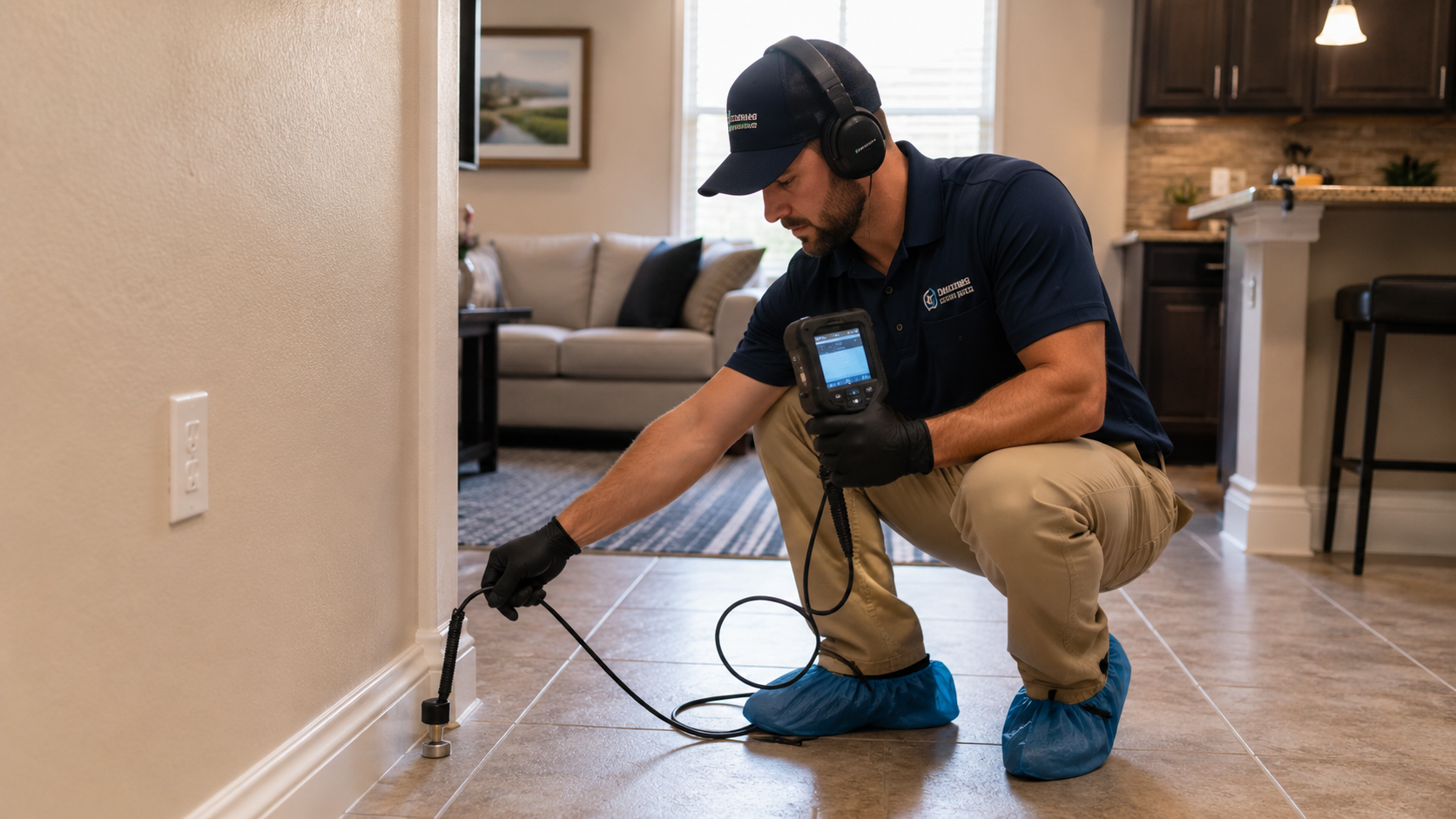
When water pipes buried beneath your concrete slab foundation begin leaking, the damage can escalate quickly, compromising your floor, foundation, and creating moisture problems throughout your home. Slab leaks are among the most challenging plumbing emergencies Arlington homeowners face, requiring specialized leak-detection equipment and experienced plumbers who understand how water pressure, soil conditions, and pipe abrasion affect concrete slab installations.
Slab Leak Detection Technology: How Our Leak Detection Experts Find Water Leaks Beneath Concrete
Professional leak detection services rely on specialized equipment that locates leaking pipes without demolishing your entire floor. Our slab leak detection plumbers combine multiple detection methods to pinpoint the exact leak location, verifying findings through cross reference techniques before recommending any excavation or repair strategy. This precision focused approach saves you money, preserves your bathroom and kitchen finishes, and ensures slab leak repair addresses the actual problem rather than guess work locations. Electronic acoustic detectors amplify the sound of water escaping pressurized pipes beneath concrete. Leaks create distinct frequency signatures that trained plumbers recognize even through thick concrete slabs. By systematically surveying your floor with listening devices, our slab leak detection specialists map the precise coordinates where water pressure breaks containment. This non invasive method works especially well for active leaking in both hot water and cold water supply lines, providing accuracy within inches rather than feet. Infrared thermal imaging reveals temperature differentials caused by leaking hot water or the evaporative cooling effect of leaking cold water. Our thermal cameras detect these temperature variations through flooring materials, identifying moisture patterns invisible to standard inspection. When combined with acoustic leak detection, infrared provides visual confirmation of the leak location and helps assess how far water has migrated through soil and concrete.
Pressure testing isolates sections of your plumbing system to confirm leak presence and measure severity. Our slab leak detection contractor team closes valves strategically, then monitors water pressure and water meter activity to determine which pipe segments are leaking. This diagnostic step prevents wasted effort detecting leaks in areas where none exist, focusing resources on confirmed problem zones beneath your concrete foundation.
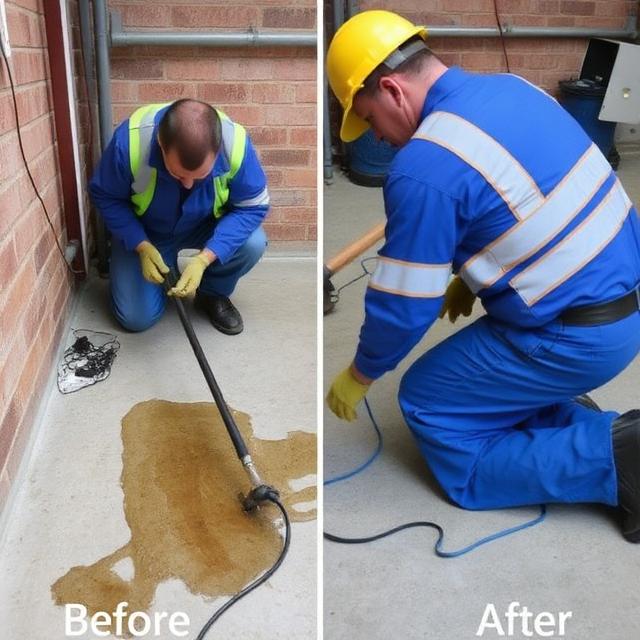
Why Our Slab Leak Detection Pro Methods Outperform DIY Approaches
Homeowners attempting DIY leak detection typically rely on visible symptoms such as water pooling on the floor, moisture on bathroom walls, or elevated water bills. By the time slab leaks produce obvious evidence, significant water damage has already occurred. Professional slab leak detection equipment identifies leaking pipes weeks or months earlier, when water pressure has just begun forcing water through microscopic pipe failures caused by abrasion, corrosion, or friction stress.
Our calibrated detectors measure leak severity through slab leak detection checks, helping you understand whether emergency repair is necessary or whether monitoring and planned repair makes more sense. Some leaking situations stabilize temporarily while others accelerate rapidly. Slab leak detection services provide the data you need to make informed decisions about repair timing, budgeting for excavation, and protecting your foundation from progressive water damage.
Slab Leak Detection Leak Finding in Both Hot Water and Cold Water Systems
Hot water slab leaks often reveal themselves faster than cold water leaks because the thermal signature is more pronounced. Water heaters cycling frequently, warm spots on your floor, and unexplained increases in energy bills all point toward hot water pipe failures beneath concrete slabs. Our infrared cameras excel at slab leak detection and leak inspection, while acoustic detectors confirm the exact leak location within the hot water supply network buried in your foundation.
Cold water leaks can be more elusive. The temperature differential is subtle, and water pressure in cold supply lines may be lower, producing quieter leak signatures. Our slab leak detection pros use tracer gas and extended acoustic surveys to detect leaks in cold water pipes, ensuring comprehensive coverage of your entire plumbing system regardless of water temperature.
Slab Leak Detection Repair Options: Fixing Leaking Pipes Without Destroying Your Floor
Once leak detection pinpoints the problem, slab leak detection repairs range from targeted excavation to whole-house repiping, depending on leak location, pipe condition, foundation accessibility, and your long-term plans. Our slab leak detection plumbers present multiple repair options with transparent explanations of each approach's benefits, limitations, and cost implications, empowering you to choose the solution that best fits your situation.
Spot repair through concrete slab excavation is the most direct method when slab leak detection inspection identifies a single, isolated failure point. Our plumbers cut through your floor covering, break out the affected concrete section, access the leaking pipe, replace the damaged segment, pressure test the repair, then restore the concrete and flooring. This approach works well for localized leaks caused by specific abrasion points or isolated corrosion, especially when surrounding pipes remain in good condition.
Epoxy pipe lining offers a no-excavation alternative for certain leak situations. After cleaning the interior pipe surface, we apply epoxy coating that seals leaking areas and prevents future corrosion. This slab leak detection fixing method works best for relatively accessible pipe segments and when leak detections reveal multiple small leaks rather than catastrophic pipe failure. Epoxy lining extends pipe life without breaking through concrete, though it is not suitable for severely corroded pipes or situations where pipe abrasion has created large breaches.
- Spot excavation and pipe replacement: Best for single leak locations when surrounding plumbing remains sound and foundation access is straightforward
- Rerouting pipes above or around the slab: Avoids repeated concrete excavation by relocating plumbing outside the foundation footprint, ideal when multiple leaks suggest widespread pipe deterioration
- Whole-house or zone repiping: Replaces all plumbing in affected areas when slab leak detection assessments reveal systemic pipe failure, preventing recurring slab leaks and eliminating emergency repair cycles
- Epoxy pipe lining (trenchless repair): Seals leaking pipes from inside without excavation, suitable for accessible sections with moderate corrosion and multiple pinhole leaks
When Slab Leak Detection Repairs Should Include Repiping
If your home is more than 30 years old and slab leak detection has identified multiple slab leaks over time, the pipes beneath your concrete foundation may be nearing the end of their service life. Repeated spot repairs become increasingly expensive, disruptive, and ineffective as adjacent pipe sections fail in succession. Our slab leak detection repairmen assess overall pipe condition during leak detection surveys, looking for patterns that indicate whether targeted repair will solve the problem or merely delay inevitable system-wide failure.
Repiping involves installing new water supply lines outside your concrete slab, typically routed through attic spaces, crawlspaces, or along exterior walls. While more comprehensive than spot repair, repiping eliminates the risk of future slab leaks entirely, improves water pressure throughout your home, and ends the cycle of emergency slab leak detection calls and floor excavation. For many homeowners dealing with recurring leaking problems, repiping delivers better long-term value than successive repair episodes.
Warning Signs Your Foundation Has Leaking Pipes Requiring Slab Leak Detection Assessment
Recognizing early leak symptoms allows you to schedule slab leak detection services before water damage escalates to emergency status. Slab leaks rarely announce themselves with obvious flooding; instead, they produce subtle clues that plumbing professionals recognize but homeowners often dismiss until foundation damage or mold problems force emergency intervention.
Your water meter provides the clearest leak detection tool available to any homeowner. Turn off every water-using fixture and appliance no toilet flushing, no sink use, no irrigation. Check your water meter. Wait 30 minutes without using any water, then check again. If the meter has moved, water is leaking somewhere in your plumbing system. If you've ruled out visible leaks at fixtures, water heaters, and drain connections, the leak likely exists beneath your concrete slab.
Unexplained water pressure drops suggest that water is escaping your pressurized supply system before reaching fixtures. When leaking pipes beneath your foundation allow water to bleed into the surrounding soil, less pressure remains to serve your bathroom, kitchen, and other plumbing outlets. This gradual pressure loss often accompanies slab leaks that have been active for weeks or months.
Foundation Cracks and Floor Damage From Leaking Water
When water escapes pipes buried in your concrete slab, it saturates the soil supporting your foundation. This moisture accumulation causes soil to expand, contract, and shift as water content fluctuates. Over time, these soil movements can stress your concrete foundation, causing cracks in the slab and potentially affecting your home's structural framing. What begins as a simple plumbing leak evolves into a foundation emergency if slab leak detection and repair are delayed.
Floor coverings often reveal leak damage before the concrete itself. Warped hardwood, loose bathroom tile, or carpet that feels perpetually damp all suggest moisture intrusion from below. Our slab leak detection inspection services investigate these symptoms to determine whether leaking pipes beneath your concrete slab are the culprit or whether the moisture originates from other sources like drain line failures or external water intrusion.
Moisture and Mold Risks From Undetected Slab Leaks
Leaking water beneath your floor creates ideal conditions for mold growth, especially in bathroom areas where humidity is already elevated. The moisture wicks upward through concrete and into organic materials wood framing, drywall, carpet padding where mold colonies establish rapidly. Professional slab leak detection identifies the water source, enabling you to address both the plumbing leak and the moisture damage before mold remediation costs escalate.
Indoor air quality deteriorates when mold spores circulate through your home. Respiratory symptoms, allergic reactions, and persistent musty odors all indicate moisture problems that require investigation. Our slab leak detection company coordinates with mold remediation specialists when leak detection reveals extensive water damage, ensuring comprehensive restoration that addresses both the leaking pipes and their secondary effects on your living environment.
The Slab Leak Detection Process: What Arlington Homeowners Can Expect
Understanding the slab leak detection and repair workflow helps you prepare for the service timeline, coordinate with other contractors if necessary, and make informed decisions about repair strategies. Our slab leak detection specialists maintain transparent communication throughout every phase, explaining findings as we progress and adjusting our approach based on what leak detection reveals about your specific situation.
Initial consultation and symptom assessment establish the foundation for effective slab leak detection checking. We discuss the warning signs you've observed water meter behavior, floor damage, water pressure changes, moisture evidence and review your home's plumbing history. Homes with previous slab leaks, properties built during eras when certain pipe materials were standard, and foundations subjected to soil movement all carry elevated leak risk. This background helps our leak detection experts prioritize survey areas and select the most effective detection methods.
On-site slab leak detection surveys begin with non-invasive electronic inspections using acoustic detectors and infrared cameras. Our plumbers systematically scan your floor, listening for leak signatures and mapping thermal anomalies. We correlate findings with your plumbing system layout, identifying which pipes run beneath suspect areas and whether those pipes carry hot water, cold water, or drain flow. This multi-method slab leak detection approach provides redundant confirmation before recommending any excavation.
- Schedule consultation: Discuss symptoms, review property history, and explain slab leak detection methods appropriate for your situation
- Electronic slab leak detection survey: Deploy acoustic detectors, infrared cameras, and pressure testing to locate leaking pipes beneath concrete slab without excavation
- Findings presentation: Map exact leak locations, explain severity and risks, and present slab leak detection solutions with cost and timeline estimates for each approach
- Repair execution: Perform slab leak repair using your chosen method spot excavation, epoxy lining, rerouting, or repiping with permits and inspections as required
- Pressure testing and verification: Confirm leak elimination through comprehensive slab leak detection tests and water meter monitoring before restoring floor surfaces
- Restoration coordination: Guide concrete refinishing, flooring replacement, and any secondary repairs needed to return your bathroom or kitchen to pre-leak condition
How Slab Leak Detection Services Minimize Excavation and Disruption
Precision matters when breaking through concrete slabs. Every square foot of unnecessary excavation adds cost, extends timelines, and complicates floor restoration. Our slab leak detection technology narrows the target area to a few square feet rather than requiring exploratory demolition across entire rooms. This focused slab leak detection location approach reduces the concrete breaking required, preserves more of your existing floor, and minimizes the dust and debris associated with repair work.
When excavation proves necessary, we coordinate with flooring contractors to document your existing materials and plan restoration that matches original finishes. Bathroom tile patterns, hardwood species, and carpet styles all require attention to ensure repaired areas blend seamlessly with surrounding spaces. Our slab leak detection contractor team protects your property throughout the repair process, containing work areas and managing debris removal to limit disruption to your daily routine.
Emergency Slab Leak Detection for Critical Foundation Threats
Some slab leaks demand immediate attention. When you discover water actively pooling on your floor, foundation cracks widening rapidly, or water pressure dropping precipitously, emergency slab leak detection services mobilize quickly to prevent catastrophic damage. Our plumbers prioritize emergency calls, deploying slab leak detection finders to identify the problem source and implement temporary containment measures while you decide on permanent repair strategies.
Emergency services focus on stopping active water damage. We may isolate affected plumbing zones, reducing pressure to slow le
Frequently Asked Questions About Slab Leak Detection in Arlington, TX
What is slab leak detection and why is it important?
Slab leak detection is the process of locating hidden water leaks in pipes beneath a concrete slab foundation. It is important because undetected leaks can cause foundation damage, mold growth, high water bills, and structural issues if not addressed early.
What are the common signs that I need slab leak detection services?
Common signs include unexplained increases in water bills, warm or damp spots on floors, reduced water pressure, the sound of running water when fixtures are off, and cracks in flooring or foundation surfaces.
How do professionals detect slab leaks without damaging my floor?
Professionals use non-invasive tools such as acoustic listening devices, infrared thermal imaging, pressure testing, and tracer gas systems to pinpoint the exact location of leaks before any excavation is done.
Can a slab leak be repaired without breaking the entire floor?
Yes, many slab leaks can be repaired through spot excavation, pipe rerouting, or trenchless methods such as epoxy lining. The repair method depends on the severity, location, and condition of the plumbing system.
How urgent is a slab leak, and what happens if it is not repaired?
A slab leak is considered a serious plumbing issue. If left untreated, it can lead to foundation shifting, extensive water damage, mold growth, and significantly higher repair costs over time.
Clients Reviews
